
By David Rhodes, BCW & HHP
From Xynisteri to Maratheftiko, discover the native grapes, distinctive wineries and emerging wine culture of one of the world's oldest wine-producing countries.
When wine enthusiasts discuss Europe's great wine regions, France, Italy and Spain inevitably dominate the conversation. Yet on the eastern edge of the Mediterranean, Cyprus has been producing wine for over 5,500 years, long before Bordeaux, Tuscany or Rioja became household names. Cyprus sits between 34 and 36 degrees north latitude, with vineyards reaching heights of up to 1,500 meters, an average of 326 days of sunshine a year and precipitation ranging from 300 mm in the lowlands and central plains to 1,000 mm in the mountains. The Eastern Mediterranean's wet winters and long, dry summers create ideal wine grape growing conditions.
Today, Cyprus is experiencing a wine renaissance, driven by renewed interest in indigenous grape varieties. Rather than relying exclusively on international favorites such as Cabernet Sauvignon, Sangiovese or Tempranillo, Cypriot winemakers are increasingly embracing grapes that have adapted to the island's Mediterranean climate over centuries.
For international wine enthusiasts, comparisons with familiar European varieties provide an excellent introduction. Although these similarities are stylistic rather than genetic, they offer a useful starting point for exploring Cyprus's distinctive wine identity.
The White Grapes of Cyprus
Xynisteri: Cyprus's Answer to Vermentino
Cyprus's flagship white grape, Xynisteri produces wines ranging from refreshing everyday selections to sophisticated, age-worthy examples.
Typically pale straw in color, Xynisteri offers lemon zest, green apple, pear, white flowers and Mediterranean herbs. Its light-to-medium body and refreshing character invite comparisons with Italian Vermentino or Spanish Albariño, although Xynisteri frequently displays softer acidity than the latter.
Winery to explore: Fikardos Winery produces Xynisteri and has been influential in researching and promoting indigenous Cypriot varieties. Its wines demonstrate the grape's potential beyond simple everyday whites.
Xynisteri pairs beautifully with grilled sea bream or with Cyprus's signature halloumi cheese.
Spourtiko: Delicate Mediterranean Elegance
Spourtiko is a lesser-known indigenous white grape attracting growing attention from quality-focused producers.
Light-bodied and delicate, it offers green apple, citrus blossom, white peach and fresh herbs. Its understated personality invites comparisons with French Pinot Blanc or Spanish Macabeo.
Winery to explore: Vouni Panayia Winery has been a pioneer in preserving indigenous varieties, including Spourtiko, producing single-varietal expressions that demonstrate its potential.
Spourtiko makes an appealing aperitif and pairs well with sushi, fresh cheeses and light Mediterranean fare.
Promara: A Richer White Wine Experience
For wine lovers who prefer fuller-bodied whites, Promara offers an intriguing alternative.
With aromas of ripe pear, peach, apricot and wildflowers, Promara frequently displays a richer texture than Xynisteri. Its generous fruit character invites comparisons with French Viognier or Grenache Blanc.
Winery to explore: Vouni Panayia Winery has helped bring Promara back into the spotlight. Its single-varietal Promara has received recognition in Cyprus's national wine competitions.
Promara is particularly attractive alongside roast chicken, grilled fish, creamy pasta and aged cheeses.
Morokanella: An Aromatic Discovery
Morokanella represents another exciting chapter in the rediscovery of Cyprus's native grapes.
Its fragrant profile includes jasmine, citrus blossom, peach, pear and occasional tropical fruit notes. Although generally less intensely aromatic than Muscat, it shares characteristics with Italian Malvasia and certain French Muscat styles.
Winery to explore: Gerolemo Winery has produced a single-varietal Morokanella recognized in national wine competitions.
This aromatic white pairs especially well with seafood meze, grilled chicken and mildly spiced Asian cuisine.
The Red Grapes of Cyprus
Maratheftiko: Cyprus's Answer to Syrah
Maratheftiko is arguably Cyprus's most internationally promising indigenous red grape.
Deeply colored and aromatic, it delivers blackberry, black cherry, plum, violet, black pepper and Mediterranean herbs. Its concentration, spice and structured tannins invite comparisons with French Syrah or southern Italy's Aglianico.
Oak maturation can introduce cedar, chocolate and tobacco, while well-made examples may age gracefully for a decade or longer.
Winery to explore: Vasilikon Winery produces Aeon, a varietal Maratheftiko.
Maratheftiko is a natural companion to roast lamb, grilled beef and aged cheeses.
Yiannoudi: Cyprus's Rising Red Star
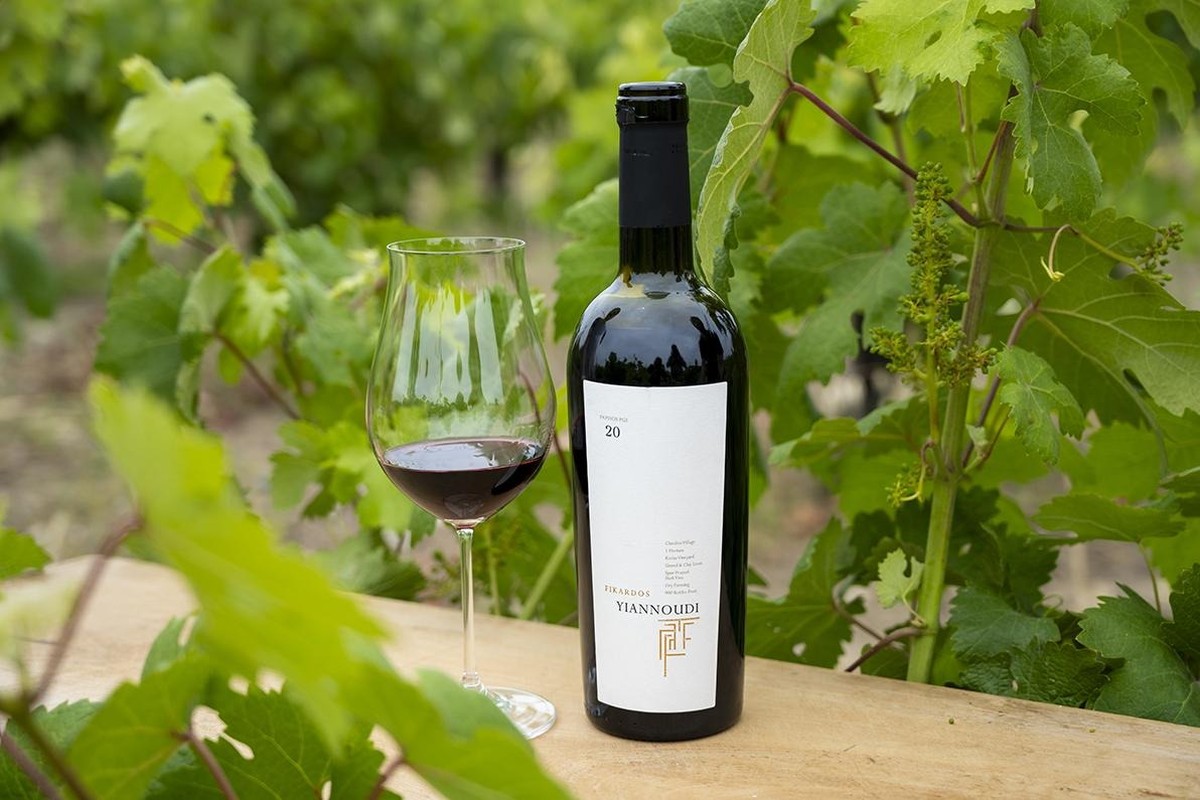
Yiannoudi (or Giannoudi) is another indigenous variety gaining attention among producers seeking premium red wine alternatives.
Typically medium-to-full-bodied, Yiannoudi offers black cherry, ripe plum, blackberry, violet and sweet spice, supported by structured tannins and refreshing acidity.
Spanish Tempranillo provides a useful comparison, particularly for oak-aged examples, while Italian Sangiovese offers another reference point.
Winery to explore: Tsiakkas Winery produces a varietal Yiannoudi from high-altitude vineyards. Its wine has received international critical attention, including coverage in Decanter.
Yiannoudi pairs beautifully with lamb kleftiko, beef stew and grilled mushrooms.
Mavro: Cyprus's Historic Workhorse
Mavro, meaning "black" in Greek, has played a central role in Cypriot winemaking for generations.
Despite its name, Mavro often produces relatively light-colored reds featuring strawberry, cherry, raspberry and dried herbs, accompanied by soft tannins.
Lighter French Gamay or Spanish Garnacha provide useful comparisons.
Winery to explore: Tsiakkas Winery produces Mavro Mouklos, demonstrating renewed interest in this historically important grape. Another expression is Zambartas's Single Vineyard Margelina, a Mavro-dominant field blend from a century-old vineyard.
Mavro is particularly suitable for souvlaki, grilled chicken and traditional meat meze platters.
Ofthalmo: A Lighter Mediterranean Red
Ofthalmo offers a different expression of Cypriot red winemaking, emphasizing delicacy rather than power.
Typically light-bodied, with soft tannins and strawberry, raspberry and red cherry aromas, Ofthalmo invites comparisons with lighter French Pinot Noir or northern Italy's Schiava.
It is also useful in rosé production and traditional blends.
Winery to explore: Nelion Winery is among the producers associated with Ofthalmo. Vouni Panayia has also used the grape in blends with Maratheftiko and Mavro.
Ofthalmo complements grilled vegetables, salmon, charcuterie and lighter Mediterranean dishes.
Commandaria: Cyprus's Liquid History
No introduction to Cypriot wine would be complete without Commandaria, among the world's oldest continuously recognized wine traditions, which acquired its name in the 12th century from the Knights Templar. King Richard the Lionheart called it "the wine of kings and the king of wines." It is produced only in 14 designated villages in the foothills of the Troodos Mountains.
Produced from sun-dried Xynisteri and Mavro grapes, Commandaria delivers concentrated flavors of figs, raisins, dates, honey, caramel, walnuts and baking spices.
Its closest European stylistic comparison is arguably Italy's Vin Santo, although richer examples can recall the raisin intensity of Spanish Pedro Ximénez Sherry.
Winery to explore: Oenou Yi has produced a barrel-aged expression combining Xynisteri and Mavro that received coverage in Decanter.
Commandaria pairs wonderfully with baklava, dried fruit, walnuts and blue cheese.
Discover Cyprus's Wines at Oenognosia 2026
For anyone curious about these indigenous varieties, the upcoming Cyprus Wine Expo, Oenognosia 2026, provides an opportunity to explore the island's wines alongside international selections.
The exhibition takes place on Sunday, December 6, from noon until 8 PM, at Pavilion Hall in Nicosia, with general admission priced at €15.
Visitors can discover hundreds of wines, meet producers and explore variations of native grapes, as the expo brings together wineries, sommeliers, distributors and wine enthusiasts, offering an introduction to both Cyprus's traditional wine culture and its modern developments.
Tickets and further information are available at the official Cyprus Wine Expo website.
Cyprus may be one of the world's oldest wine-producing countries, alongside Greece, Israel, Georgia and Armenia, but its indigenous varieties are helping write an exciting new chapter as part of a new category of Ancient World wine producers. From the refreshing character of Xynisteri to the structure of Maratheftiko and the historical richness of Commandaria, the island offers wine lovers a remarkable range of discoveries.
The next time you reach for a familiar French, Italian or Spanish wine, consider exploring a Cypriot alternative. You may discover that some of Europe's most interesting wines come from one of its oldest wine cultures.
Israelis can easily check out Cypriot wine: there are 10 flights to Larnaca or Paphos every day, and it is only an hour's flight from Tel Aviv or 45 minutes from Haifa.

David Rhodes is a California-trained wine educator and sommelier who has worked in restaurants and wineries in the United States, Israel and Europe, and has been writing about wine for over 20 years. He can be reached at DavidRhodesCyprus@gmail.com.


Comments
0